
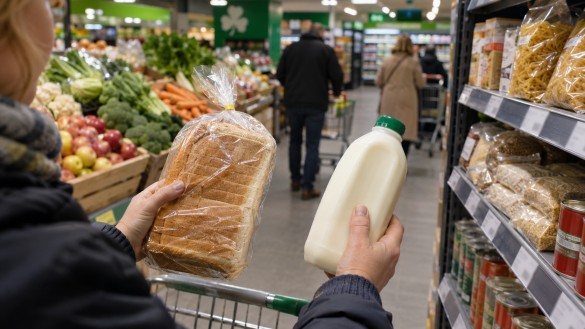
Grocery price inflation in Ireland has climbed to 6% in the 12 weeks leading up to November, compared to 4.7% in the previous period, increasing the financial strain on households. This rise in grocery costs has prompted consumers to seek more economical options, with supermarket own-brand products gaining popularity and discounts accounting for 18.5% of total grocery spending during this time.
The increase in grocery inflation comes amid a growth in overall take-home grocery sales, which rose by 3.9% in the four weeks to November 1. Halloween purchases and early Christmas shopping were key contributors to this rise, with spending on branded sweets and confectionery also seeing a notable uptick.
Dunnes Stores has retained its position as the leading grocery retailer in Ireland, securing nearly a quarter of the market share as its sales grew by 6%. Tesco holds the second position with a 24% market share, following a 5.4% increase in annual sales. Despite these gains, some retailers are experiencing declines; SuperValu’s market share decreased to 18.9% with sales growth of only 1.9%, and Aldi’s market share fell to 10.9%.
On the other hand, Lidl has managed to increase its market share to 14.1%, with its sales growth surpassing the market average. This indicates that while some retailers are losing ground, others are effectively capitalizing on the current economic climate to expand their market presence.
As grocery prices continue to rise, Irish consumers are increasingly adjusting their shopping habits to better manage their budgets, opting for promotional offers and more affordable products. This shift not only reflects the challenges posed by inflation but also highlights the competitive dynamics within Ireland’s grocery sector.