
Global oil prices experienced a modest rise yet remained on course for a second straight weekly decline, as the United States continued its economic pressure and blockade against Iran. This strategy has alleviated fears of an immediate military escalation in the region.
Brent crude futures increased by 0.9% to $96.67 per barrel, while US West Texas Intermediate (WTI) saw a 0.5% rise to $89.18. Despite these upticks, both benchmarks are projected to finish the week with losses of around 2%, following significant declines the previous week.
The market has been influenced by the expectation that Washington will opt for economic restrictions and oil shipment blockades over expanding military actions against Iran. Nevertheless, ongoing attacks on shipping and energy infrastructure in the Gulf region continue to pose a threat to global oil supplies.
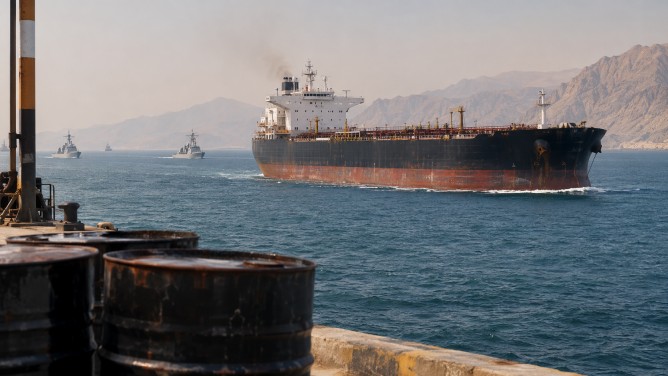
Concerns have been heightened by potential disruptions in the Strait of Hormuz, a vital corridor for global crude oil transportation. Iran has reported explosions involving oil tankers in the area, while Yemen’s Houthi group has claimed responsibility for attacks on Saudi energy facilities.
Adding to the pressure on oil prices are rising US crude and fuel inventories coupled with weaker fuel demand. Analysts caution that any new disruptions to Middle Eastern oil supplies could rapidly lead to a spike in prices.