
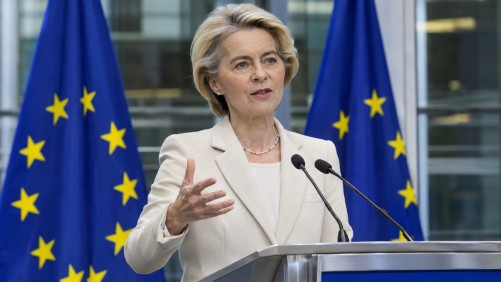
The European Union has announced a proposal to implement new sanctions against Russia, focusing on limiting the country’s presence in European sports. European Commission President Ursula von der Leyen introduced the measures as part of a broader package designed to increase pressure on Moscow amid its ongoing conflict with Ukraine.
Under the proposed sanctions, Russian national teams and athletes would be barred from competing under the Russian flag at European sporting events. Additionally, the display of Russian national symbols would be prohibited, and financial backing from Russian sponsors to European sports and cultural organizations would face restrictions. Russian nationals would also be prevented from holding leadership roles in European sports governing bodies.
Von der Leyen emphasized that sporting events should not serve as platforms for political propaganda. The proposal may also impact the autonomy of international sports federations operating in Europe, potentially limiting their ability to make independent decisions regarding Russian participation.
This initiative comes against a backdrop of ongoing debates within the international sports community regarding Russia’s involvement in major competitions. The International Olympic Committee has left it to individual sports federations to decide on the participation of Russian athletes, a stance that has led to controversy, particularly concerning Russia’s potential role in the upcoming ice hockey world championship in Germany.
Apart from sports, the EU’s proposed sanctions package targets broader sectors of the Russian economy, including finance and energy. It includes further restrictions on Russian banks, cryptocurrency platforms, and the shadow fleet associated with Russia’s oil transportation network. The EU also plans to add 70 vessels to its sanctions list and block European companies from providing services related to Russian energy infrastructure.
The package proposes an entry ban for individuals who have served in the Russian armed forces since the start of the invasion of Ukraine on February 24, 2022, regardless of their nationality. It also seeks stricter tourist visa regulations for Russian citizens, mandating enhanced document checks and the rejection of non-biometric Russian passports.
The proposed measures await approval from EU member states, with the aim of reaching a consensus before Christmas. The EU’s objective is to maintain economic and diplomatic pressure on Russia until it shows a genuine commitment to achieving lasting peace in Ukraine.