
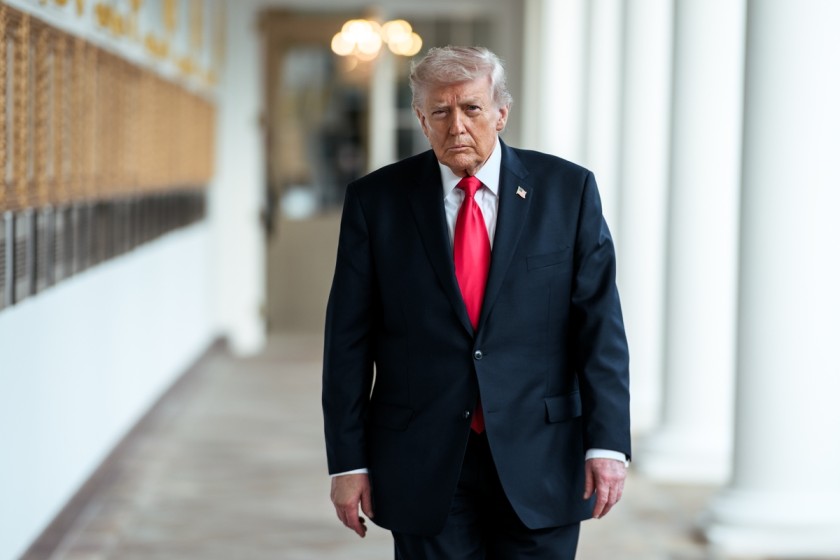
During ongoing diplomatic talks in Switzerland between the United States and Iran, tensions flared briefly as the Iranian delegation exited the venue in response to recent warnings from US President Donald Trump. The warnings pertained to Iran’s support for Hezbollah, a Lebanese militant group, and raised concerns about the potential impact on negotiations aimed at reducing regional tensions. Despite this disruption, it was later clarified by a diplomat involved in the discussions that Iran had not fully withdrawn from the talks and remained committed to the negotiation process.
The incident occurred after Iran’s representatives held discussions with mediators from Qatar. The Iranian delegation’s departure was prompted by President Trump’s statements that threatened military action unless Iran took immediate steps to curtail Hezbollah’s activities. In response, Iran’s chief negotiator, Mohammad Bagher Ghalibaf, issued a stern warning, indicating that Iran’s military forces were ready to defend the country if necessary.
Initial discussions between the US and Iranian negotiators primarily focused on implementing a recently agreed-upon memorandum of understanding between the two nations. The talks also addressed the ongoing situation in Lebanon, though they did not include Iran’s nuclear program during the first session. US Vice President JD Vance characterized the negotiations as a “historic meeting,” expressing optimism about the potential for long-term improvement in relations within the region.
The backdrop of these talks is marked by rising tensions over the situation in Lebanon and the strategic Strait of Hormuz. Iran has consistently emphasized that any meaningful progress towards a comprehensive agreement is contingent upon resolving hostilities in Lebanon. Despite the disagreements and heated exchanges, negotiators from both countries continue to engage in discussions with the goal of reaching a broader settlement within the next 60 days.