
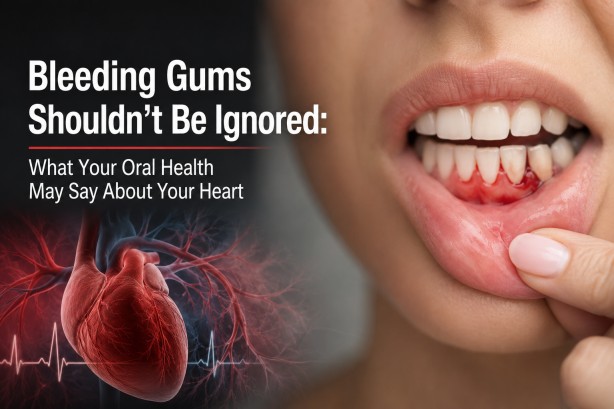
Gum bleeding, though often dismissed as a minor inconvenience, can signal underlying gum inflammation that warrants closer attention. The link between oral health and overall wellness is well-documented, with recent studies delving into how gum disease might relate to cardiovascular health.
Gum disease arises when bacteria and plaque cause inflammation in the tissues enveloping the teeth. If this inflammation persists, it can extend its impact beyond just the oral cavity. Research has highlighted connections between periodontal disease and various cardiovascular issues such as heart disease, heart failure, and irregular heartbeats. Importantly, while these associations exist, gum disease doesn’t directly cause heart attacks or other heart-related events. Instead, shared biological pathways like chronic inflammation and common risk factors may underpin both conditions.
Inflamed gums can allow bacteria from the mouth to enter the bloodstream. Researchers have even discovered oral bacteria within arterial plaque, sparking further interest in the oral-cardiovascular health link. Chronic inflammation, a potential commonality, can impact blood vessels and is linked to the processes that foster cardiovascular disease progression. This underlines why persistent gum issues should not be relegated to mere cosmetic concerns.
Healthy gums typically don’t bleed during regular brushing or flossing. While occasional bleeding can happen, especially if someone is new to flossing or brushes too vigorously, frequent bleeding might suggest plaque accumulation or gum disease. Accompanying symptoms may include swollen or tender gums, persistent bad breath, gum recession, and loose teeth. Ignoring these warnings could allow gum inflammation to worsen, leading to more severe dental issues.
Simple oral hygiene practices can significantly protect teeth and gums. Regular brushing with a soft-bristled toothbrush and fluoride toothpaste, daily flossing, and routine dental checkups are key habits. These measures detect gum inflammation, cavities, and other oral health concerns before they escalate. However, it’s crucial to complement good oral hygiene with cardiovascular health practices, such as maintaining healthy blood pressure and cholesterol, staying active, eating a balanced diet, and refraining from smoking. If frequent gum bleeding or persistent swelling occurs, it’s advisable to seek a dental professional’s evaluation.