
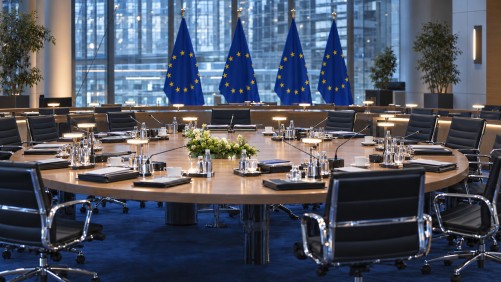
As the European Union grapples with crafting its next seven-year budget, EU European affairs ministers convene in Brussels amidst mounting challenges. The negotiations, which fall under Ireland’s presidency of the Council of the European Union, are focused on reaching a consensus for the proposed €1.9 trillion budget spanning 2028 to 2034. However, divisions among member states threaten to complicate these discussions.
Germany, Denmark, the Netherlands, Sweden, and Austria are pushing for significant cuts to the budget, raising concerns about potential impacts on key funding areas such as agriculture and regional cohesion. Simultaneously, the EU is tasked with planning for the repayment of post-Covid recovery loans starting in 2028, a financial commitment that will require an estimated €24–€25 billion annually.
In light of these fiscal demands, discussions are also centered on identifying new revenue streams for the EU. The European Commission has floated proposals that include channeling certain carbon-related levies into the EU budget and gaining contributions from large corporations, as well as taxes on tobacco, electronic waste, cryptocurrencies, and large tech firms. These measures could potentially generate approximately €44 billion each year, though they will need unanimous approval from all EU member states to be enacted.
Ireland is currently drafting a negotiating framework, aiming to present it at an EU leaders’ summit scheduled for October, where the budget talks will escalate to the European Council level. The Irish government is keen on securing an agreement during its presidency, underscoring its strategic importance.
In a parallel development, the EU and the Philippines have made significant strides toward finalizing a free trade agreement. This agreement, under negotiation since 2016 and reignited in 2024, aims to eliminate tariffs on over 97% of bilateral trade, a move expected to bolster economic exchange. Last year, trade in goods between the EU and the Philippines was valued at €17.6 billion, with services trade reaching €10.3 billion in 2024.