
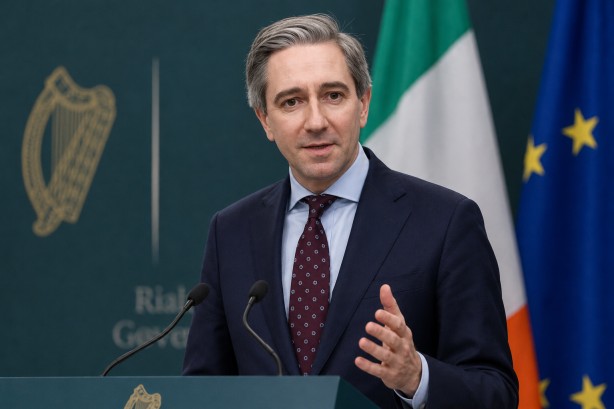
Ireland’s Tánaiste and Minister for Finance, Simon Harris, has endorsed the Irish Fiscal Advisory Council’s caution regarding potential government expenditure excesses, while emphasizing that investing in essential public infrastructure is still crucial. Harris concurred with the fiscal watchdog’s concern over the implications of surpassing budgeted spending, but he highlighted that not all government spending yields the same effect. He underscored Ireland’s infrastructure shortfall in comparison to the European Union average and insisted that further investment is essential to bolster the nation’s population and economic growth.
The Fiscal Advisory Council has raised alarms about the habitual nature of spending overruns, which have averaged over €2 billion annually in the past decade. The council noted that the projected growth in government spending by 2027 could outpace the economy’s sustainable growth rate, potentially escalating inflationary pressures on both households and businesses. Additionally, the council foresees that existing fiscal pressures—stemming from factors such as population growth, an aging demographic, and inflation—could amount to €8 billion by 2027, thus constraining the government’s capacity for new initiatives.
In response, Harris has highlighted the government’s release of a medium-term fiscal framework, which delineates anticipated spending levels for the forthcoming years. He conceded that in-year overspending could diminish resources earmarked for other priorities. The fiscal watchdog has further advocated for Ireland to implement a domestic budgetary rule, suggesting that increased expenditure could heighten the country’s reliance on volatile corporate tax revenues.
The council’s recommendations included stricter spending limits, larger budget surpluses, and enhanced savings from corporate tax receipts to mitigate fiscal risks. Harris’s statements reflect a balancing act between acknowledging the need for fiscal prudence and recognizing the importance of strategic investment to address the infrastructure gaps that could hamper Ireland’s economic development.